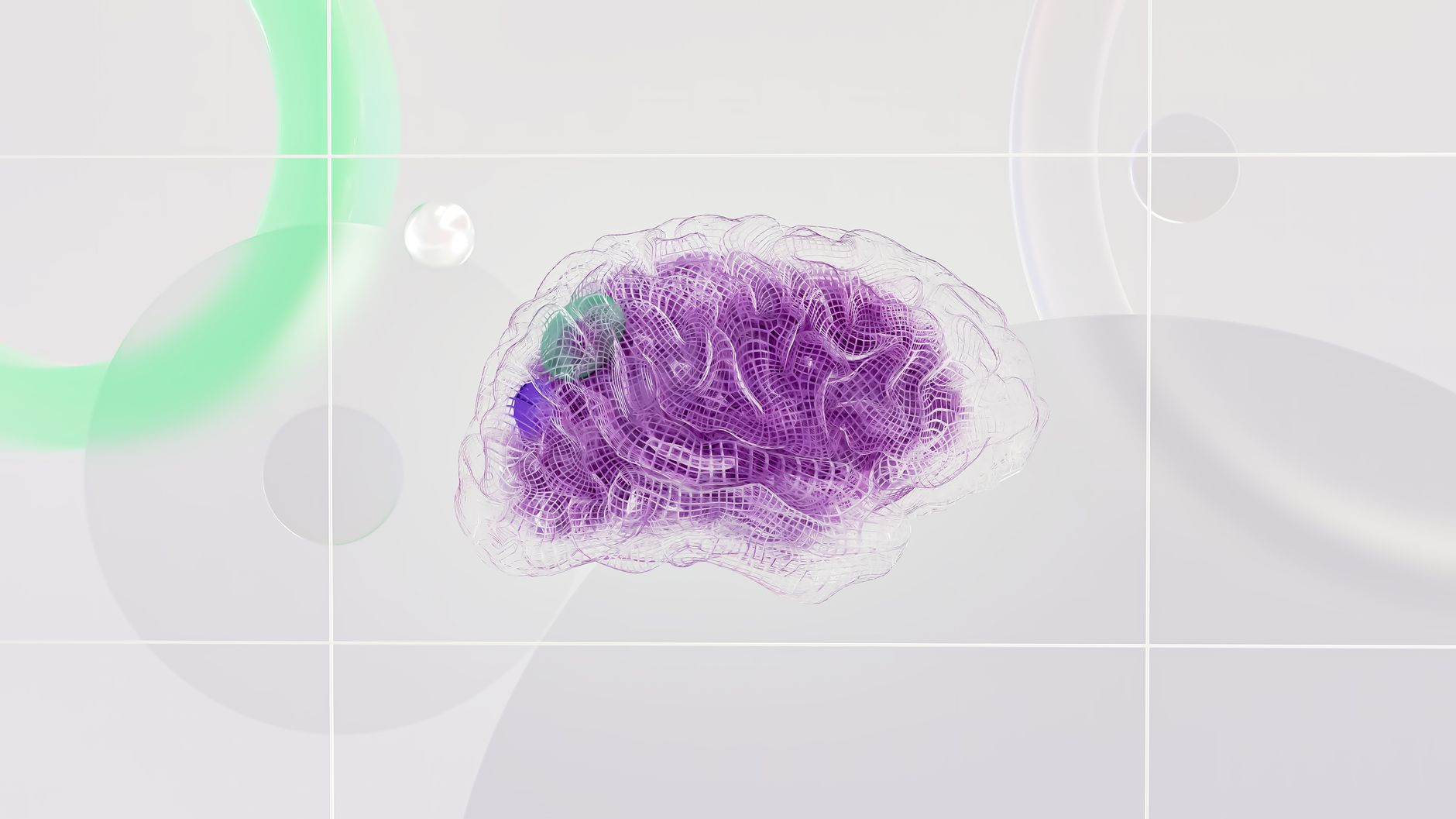
In today’s fast-paced digital environment, maintaining deep concentration and unlocking genuine creative potential often feels like an uphill battle. We are constantly bombarded by auditory and visual stimuli that fragment our attention, leaving us mentally exhausted. Enter sound therapy, specifically the concept of the brain song—a personalized auditory experience designed to synchronize brainwave frequencies with desired mental states. By leveraging specific soundscapes, binaural beats, and curated frequencies, individuals can nudge their cognitive processes toward states of heightened focus, relaxed creativity, or deep meditative rest. This article explores how sound can act as a catalyst for neuroplasticity and improved mental performance, moving beyond simple relaxation to provide a scientifically grounded toolkit for optimizing your daily workflow and enhancing your cognitive efficiency.
The science of brainwave entrainment
At the core of the brain song concept lies the principle of brainwave entrainment. Our brains operate on electrical pulses that fluctuate at different frequencies, which are categorized into various bands, including Delta, Theta, Alpha, Beta, and Gamma. These frequencies change depending on whether we are sleeping, relaxing, focusing, or engaged in intense problem-solving. Sound therapy works by exposing the brain to external rhythmic stimuli, which encourages the brain’s internal rhythm to align with the external frequency.
For example, if you are struggling with task paralysis, listening to sounds in the high Alpha or low Beta range can help shift your brain into a state of “flow.” This process is often facilitated by binaural beats, where two slightly different frequencies are played in each ear, and the brain perceives a third “phantom” tone representing the difference between the two. This synchronization effectively guides the brain into a state conducive to the task at hand, acting as a mental metronome that stabilizes wandering thoughts.
Selecting your personal soundscape
Not all sound therapy is created equal, and the efficacy of a brain song depends heavily on selecting the right sonic environment for your specific goals. Creativity thrives in different brainwave states than analytical focus. When aiming for creative breakthrough, many people find success with sounds that encourage Alpha wave production, typically associated with relaxed alertness and daydreaming. Conversely, when deep, sustained concentration is required for data analysis or technical writing, slightly faster Beta frequencies are often more appropriate.
To identify the best soundscape for your needs, consider the following breakdown of brainwave states and their corresponding applications:
| Brainwave | Frequency Range | Optimal Mental State | Best Use Case |
|---|---|---|---|
| Alpha | 8-12 Hz | Relaxed focus | Creative brainstorming, artistic tasks |
| Beta | 12-30 Hz | High alertness | Deep work, analytical problem-solving |
| Theta | 4-8 Hz | Deep meditation | Lucid dreaming, memory consolidation |
Integrating sound therapy into a workflow
Integrating sound therapy into your daily life requires more than just passive listening; it demands strategic implementation. To truly boost productivity, you must pair specific soundscapes with specific activities consistently to create a Pavlovian response. By training your brain to associate a particular frequency or ambient playlist with high-intensity work, you reduce the “ramp-up time” required to enter a deep work state. Over time, simply putting on your headphones and starting your chosen track can trigger a psychological shift that prepares your mind for the challenge ahead.
However, it is crucial to avoid “stimulus adaptation,” where the brain becomes habituated to a sound, reducing its effect. Rotating your playlists or varying the frequencies slightly ensures that your brain remains responsive to the intervention. Furthermore, the volume level plays a significant role; the sounds should act as a background scaffold for your thoughts, not a distraction that pulls your attention toward the music itself.
Managing cognitive health through sound
Beyond immediate productivity gains, the long-term application of sound therapy contributes to overall cognitive health. Chronic stress is one of the primary inhibitors of both focus and creativity, as it traps the brain in high-frequency, reactive states that limit lateral thinking. Using sound therapy to intentionally downshift from high-stress states to calmer, more restorative frequencies at the end of the workday can accelerate recovery. This balance between focused, high-performance sessions and restorative, low-frequency sessions is essential for preventing burnout and maintaining long-term mental agility.
By treating the brain as a dynamic organ that responds to auditory input, you gain a powerful tool for self-regulation. Whether you are aiming to accelerate a project, break through a creative wall, or simply regain your composure in a loud environment, the intentional application of sound therapy provides a reliable way to steer your mental state, proving that the right song can indeed be the key to unlocking your cognitive potential.
In conclusion, we have examined the mechanics of brainwave entrainment, the importance of selecting specific frequencies for different cognitive tasks, and the strategies for integrating sound therapy into a sustainable workflow. By understanding how the brain responds to external rhythmic stimuli, you can move from passive listening to active mental management. The evidence suggests that while sound therapy is not a magic solution that replaces effort, it is a potent tool for optimizing the brain’s internal rhythm. The key takeaway is the importance of consistency and intentionality in matching your chosen soundscapes to your specific productivity goals. By mastering this balance of stimulation and recovery, you can effectively enhance your focus, elevate your creative output, and foster a healthier, more adaptable approach to demanding daily tasks.
Image by: Google DeepMind
https://www.pexels.com/@googledeepmind
Leave a Reply